
Growth is something nearly every business wants, but sustainable growth rarely happens by accident. Most business owners have a vision for where they want their company to go. The harder part is creating a clear path to get there.
As a business expands, it becomes easier to get pulled in dozens of directions at once. A new service could be launched. A new market could be explored. A new employee could be hired. At the same time, there are customers to serve, problems to solve, and day-to-day operations to manage. Without a clear system for deciding what matters most, even ambitious goals can get lost in the noise.
Without clear priorities, it is easy for growth to become reactive rather than intentional.
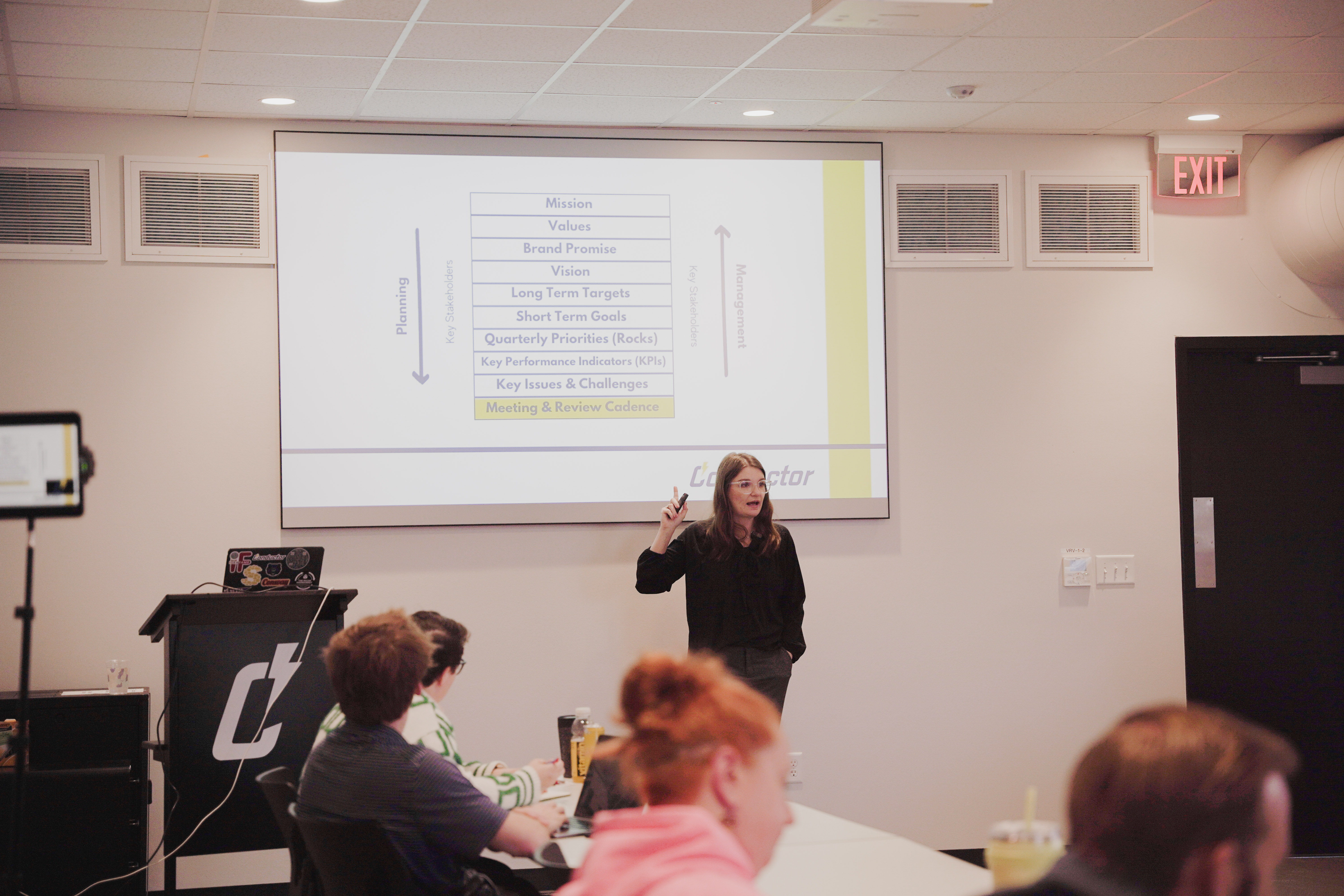
Strategic growth planning helps businesses step outside of the day-to-day and answer three important questions: Who are we? Where are we going? And how will we get there?
The first step is understanding the foundation of the organization. A strong mission explains why the organization exists, while shared values establish the behaviors and culture that guide the team. When those pieces are clear, they can become a filter for future decisions because not every opportunity that comes along will necessarily move the business closer to where it wants to go.
In fact, good strategic planning is just as much about deciding what not to do. A focused growth plan helps leaders identify the initiatives that matter most while recognizing the distractions that could pull resources away from their larger goals.
The next step is defining the destination.
A vision gives the organization a clear picture of the future it is working toward. From there, businesses can establish a small number of specific, measurable long-term targets and determine what must happen during the next 12 months to stay on track.
But even the best goals need a plan for execution.
Breaking annual goals into shorter, 90-day priorities can make a long-term strategy more manageable. These quarterly priorities should be limited, measurable, and focused on the work that will have the greatest impact right now. Businesses can then use a handful of key performance indicators to regularly measure whether the organization is moving in the right direction.
Finally, strategic growth requires accountability. Regularly reviewing progress, addressing challenges, and adjusting priorities turns strategy from an annual exercise into an ongoing management practice. Ultimately, effective growth comes back to three things: clarity, focus, and execution.
If you want to create more clarity around where your business is headed next year, Conductor is hosting a Strategic Growth Intensive on Nov. 12, 2026.
During the hands-on session, participants will work through the strategic growth planning process and begin developing a draft of their own 2027 Strategic Growth Plan, jumpstarting your growth in the new year and setting your business up for success.
Learn more and register at arconductor.org/events.

Grace Rains
The Conductor is a public-private partnership between the University of Central Arkansas and Startup Junkie Consulting whose mission is to empower entrepreneurs, innovators, and small business leaders. Reach out to Grace at grace@arconductor.org.



Leave a Reply